University of Oxford
Oxford, United Kingdom · Urban
UNIVERSITY OF OXFORD ADMISSIONS GUIDE
University of Oxford Admissions Guide for International Students
Oxford is the oldest English-speaking university in the world — founded in 1096 — and is consistently ranked first globally by the Times Higher Education. Every year, more than 23,000 students compete for approximately 3,200 undergraduate places. As an international applicant, you face the same rigorous academic and intellectual bar as domestic students, with the added demands of the UCAS 15 October deadline, subject-specific admissions tests, and Oxford's defining feature: the interview. This guide gives you an honest, structured map of exactly what it takes.
Campus
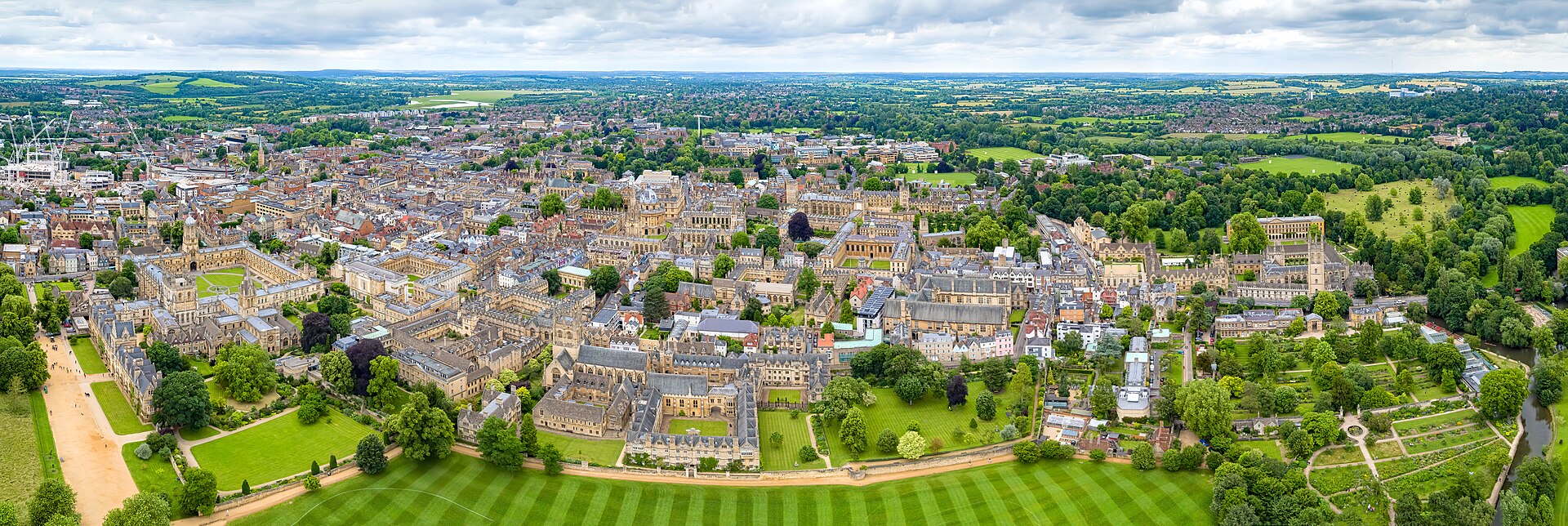
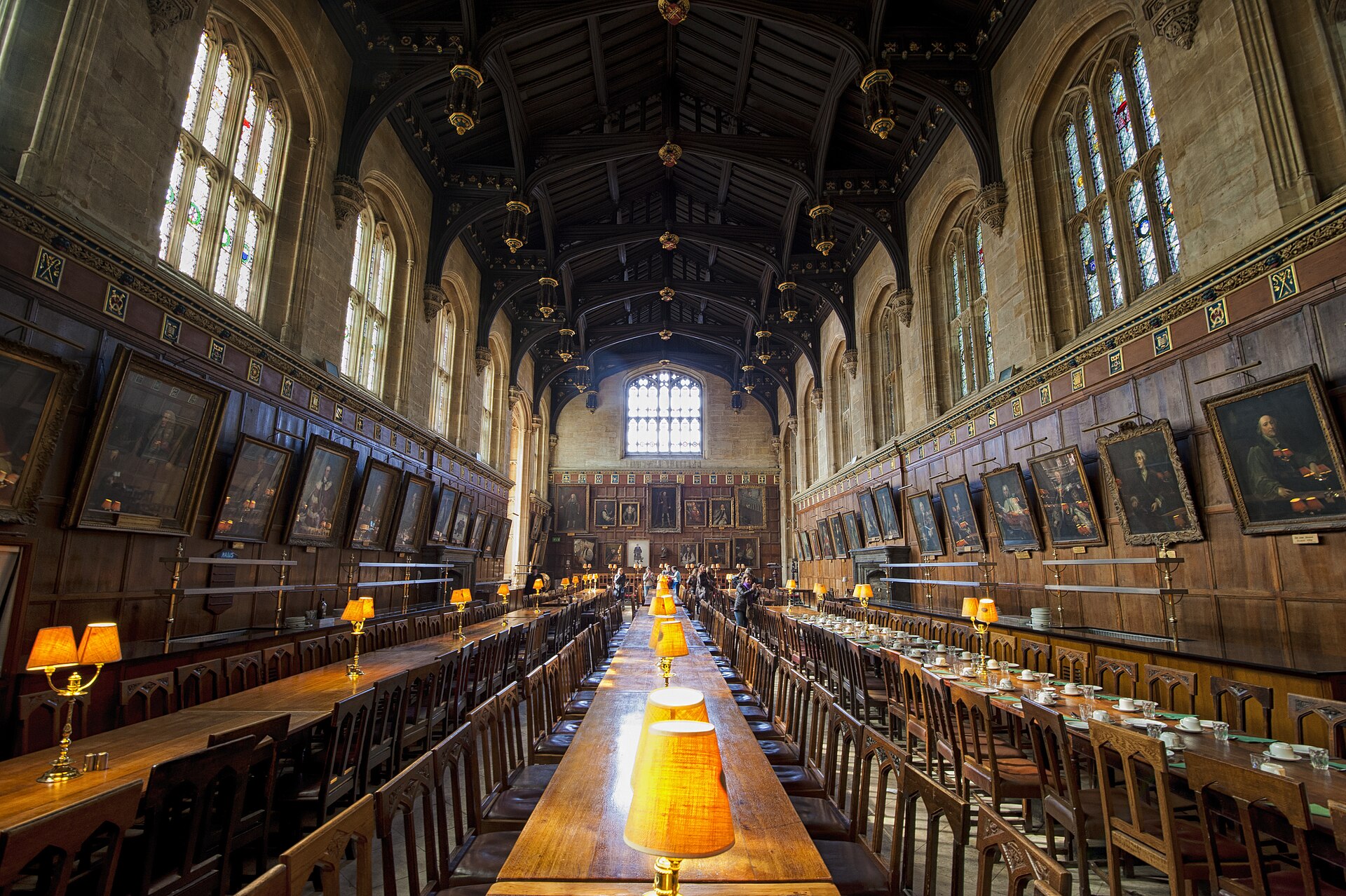
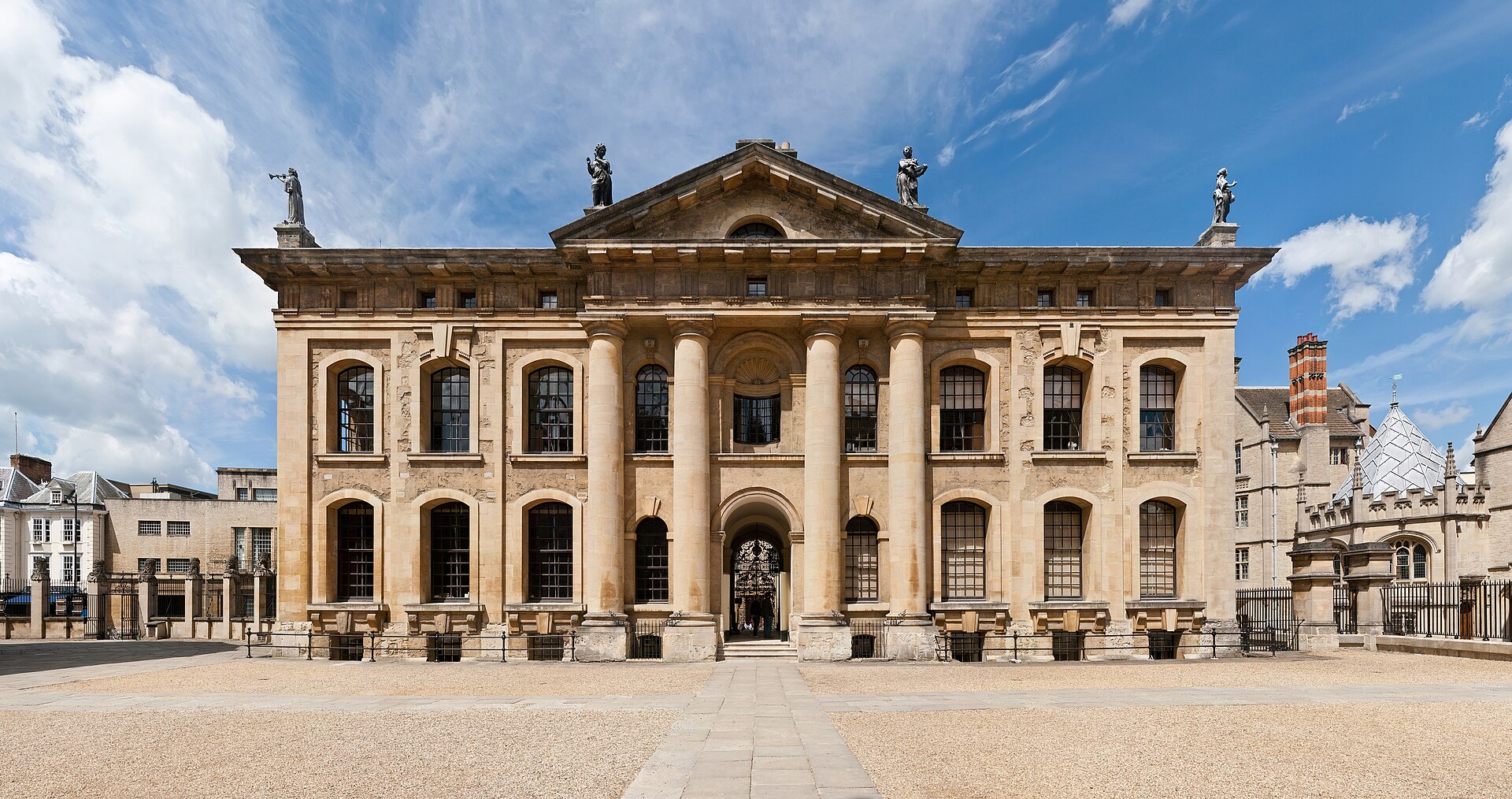
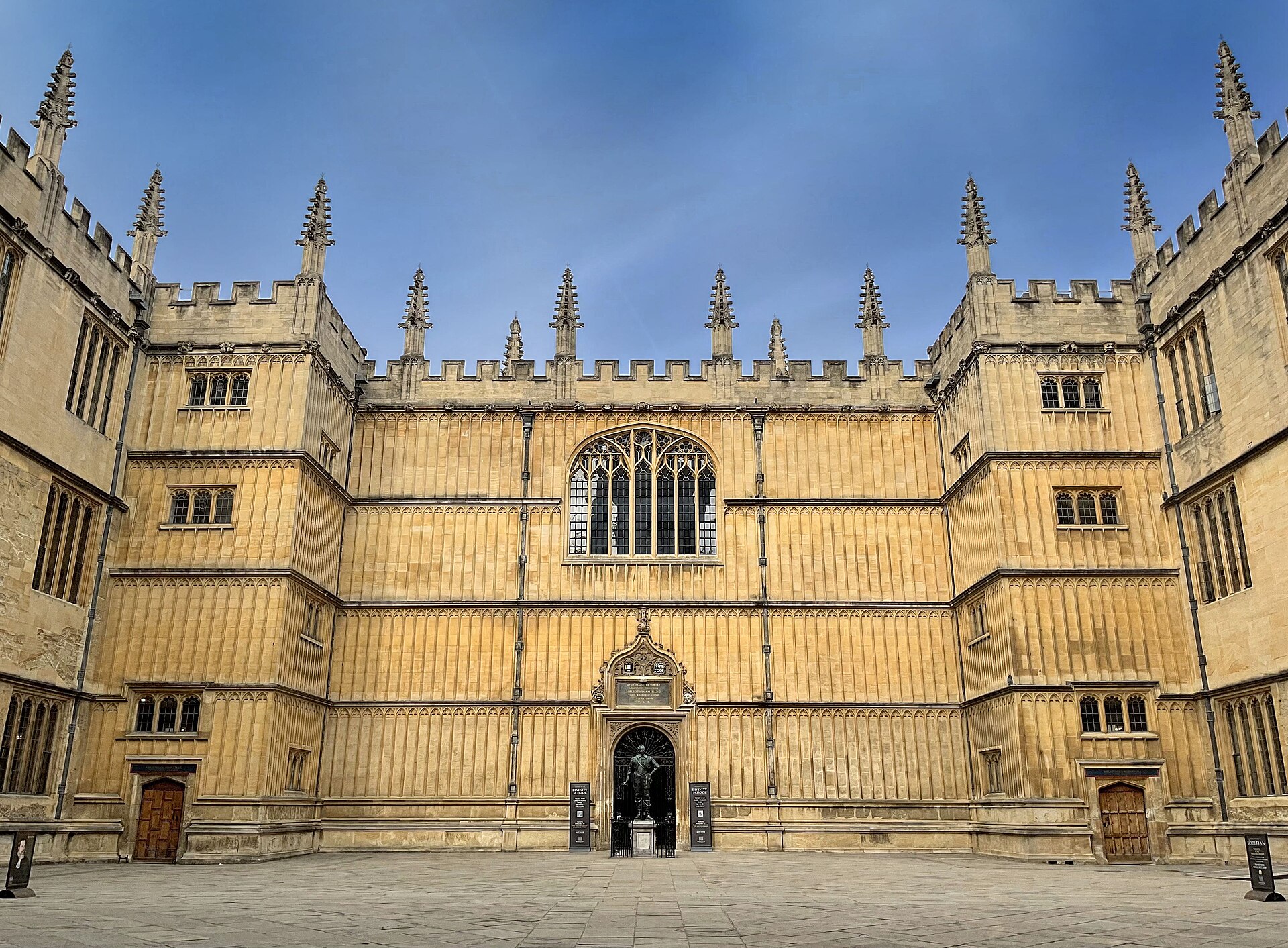
University of Oxford — campus in pictures
Real, freely-licensed photographs of the campus (via Wikimedia Commons).
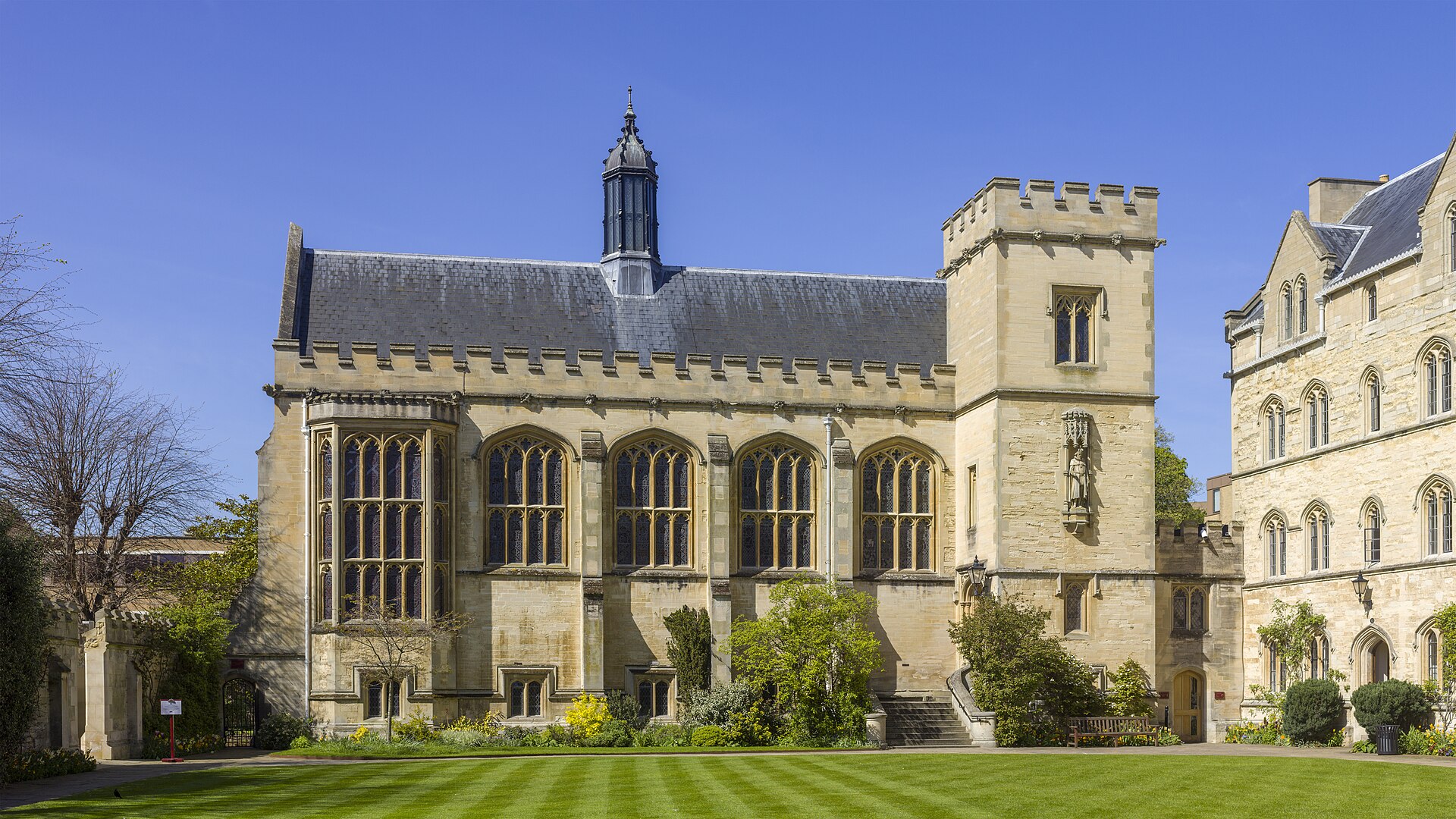

WHY OXFORD
Why Oxford — The Case for the World's #1 University
Oxford is more than a world-leading university — it is a unique academic and intellectual environment that shapes how you think, write, and reason. For ambitious international students who want to be challenged at the highest level, it offers something most universities cannot: the tutorial.
SELECTIVITY
Oxford Acceptance Rate & Admissions Profile
Oxford is among the most selective universities in the world. Approximately 16% of applicants receive an offer — but this figure masks significant variation across courses. Medicine and Law are substantially more competitive; Maths and Computer Science equally so. The 16% overall figure includes all courses; individual course rates can differ substantially.
Oxford does not use a holistic review model in the same way US universities do. Academic performance is the primary criterion — your predicted grades, admissions test score, and interview performance determine the outcome. Extracurricular activities and personal achievements matter far less than they do in US admissions.
QUICK FACTS
Oxford at a Glance
APPLICATION COMPONENTS
Oxford Application Components — UCAS, Tests, Written Work & Interview
Oxford applications are submitted through UCAS — the UK's centralised university admissions system. Unlike US applications, there is no holistic supplement or personal narrative essay in the American sense. The Oxford application has distinct, sequential components each playing a specific role in the shortlisting and selection decision.
WHAT OXFORD SEEKS
What Oxford Admissions Tutors Are Looking For
Oxford makes admissions decisions primarily on academic grounds. The question admissions tutors are asking is: 'Can this person do the intellectual work of this course at Oxford's level?' This is fundamentally different from US holistic review. Knowing what Oxford actually evaluates — and what it does not — is essential for international applicants.
KEY DATES
Oxford Application Deadlines & Timeline
Oxford's UCAS deadline is the earliest of any UK university — 15 October. This means you must begin your application significantly earlier than other university applicants. Allow 3–4 months for admissions test registration, preparation, and personal statement drafting.
| Stage | Deadline | Notes |
|---|---|---|
| UCAS Application Opens | 1 September | UCAS portal opens; register early and begin drafting your personal statement |
| UCAS Deadline — Oxford | 15 October, 6pm UK | Hard deadline — no exceptions. Oxford and Cambridge share this early deadline. |
| Fine Art Portfolio Deadline | 7 November | Fine Art applicants must submit portfolio by this date (direct to Oxford, not UCAS) |
| Written Work Deadline | 10 November | For courses requiring written work samples (History, English, Classics, etc.) |
| Interview Invitations | Mid-Nov to Early Dec | Shortlisted candidates notified; approximately 50% of applicants are invited to interview |
| Interviews | December | Online via Microsoft Teams; 2–4 interviews of 20–30 minutes each |
| Decisions Released | January | All applicants receive a final decision by mid-January |
THE COLLEGE SYSTEM
Oxford's 39 Colleges — Your Home Within the University
Oxford is a collegiate university. Every undergraduate belongs to one of 39 colleges — a distinct academic community with its own dining hall, library, common rooms, and gardens. Your college provides your accommodation, your tutorials, and much of your social life. Understanding the college system is essential for international applicants.
When you apply to Oxford, you either choose a specific college or submit an 'open application' with no college preference. Open applications are distributed across colleges and are not disadvantaged. Oxford can also reallocate candidates between colleges during the admissions process. College choice does not materially affect your chances of admission — choose based on location (central vs. further out), size, facilities, and atmosphere, not on perceived prestige. All Oxford colleges deliver the same degree and the same curriculum.
This is a representative selection of Oxford's 30 undergraduate-admitting colleges. Each college has distinct characteristics but all deliver the same Oxford degree. International students should choose based on fit, not perceived rankings among colleges.
STUDENT LIFE
Student Life at Oxford — Tutorials, Terms & the Oxford Experience
Life at Oxford is structured differently from almost any other university in the world. The Oxford year runs across three eight-week terms: Michaelmas (October–December), Hilary (January–March), and Trinity (April–June). The short terms are intense by design — lectures, tutorials, practical work, and independent study are compressed into 24 weeks of actual teaching time per year.
The tutorial system is the heart of academic life. Each week, you read, research, and write an essay or problem set, which you then defend in a one-to-one or two-to-one session with your college tutor. This is not a seminar or a class — it is a direct intellectual conversation with an expert in your field. It develops skills of argument, precision, and intellectual self-reliance that no lecture-based system can replicate.
CAREER OUTCOMES
Career Outcomes for Oxford Graduates — Employment, Salaries & Alumni
An Oxford degree carries extraordinary global recognition. Oxford graduates are recruited into the most competitive roles in finance, law, consulting, government, medicine, and academia — in the UK and internationally.
Stats
Cards
FAQS
Frequently Asked Questions — Oxford Admissions for International Students
Can I apply to both Oxford and Cambridge?+
No. UCAS rules prohibit applicants from applying to both Oxford and Cambridge in the same application cycle. You must choose one or the other.
Does it matter which Oxford college I choose?+
In practice, no — all colleges deliver the same Oxford degree and tutorials. Open applications (no college preference) are distributed fairly. College choice affects your social environment, accommodation, and day-to-day life more than your chances of admission. Choose for fit, not perceived prestige.
Do I need A-Levels or can I apply with IB?+
Oxford accepts both A-Levels and the IB Diploma. IB applicants typically need 38–40 points with strong Higher Level results in subjects relevant to their course. Oxford is highly experienced at evaluating international qualifications from many different systems.
Is the admissions test compulsory?+
Yes, for most courses. Oxford requires a subject-specific test (ESAT for sciences/engineering, TMUA for maths/CS, TARA for humanities/social sciences, LNAT for law, UCAT for medicine). Missing the test registration deadline will typically make your application ineligible — regardless of grades.
What percentage of Oxford applicants get an interview?+
Oxford interviews approximately 50% of applicants. Being invited to interview is itself a significant achievement — it means Oxford considers your academic profile competitive. However, the interview is where final admission decisions are made.
Are financial aid and scholarships available to international students?+
Oxford's primary scholarship for international undergraduates is the Reach Oxford Scholarship, which covers full tuition, college fees, and living expenses for students from OECD-ODA qualifying developing countries (approximately 2–3 awards per year). Other college-specific bursaries exist but are limited in scope. Most international students are expected to self-fund.
Can I defer my Oxford offer for a gap year?+
Oxford does allow gap-year deferrals in most cases, but this must be agreed with your college before accepting the offer. You should have a clear, purposeful plan for your gap year — structured travel, work experience, or a defined project.
What does Oxford mean by 'predicted grades'?+
Predicted grades are the grades your teachers forecast you will achieve in your final A-Level or IB exams. Oxford makes conditional offers based on these predictions. If Oxford's offer is A*AA and you achieve A*AA in your final exams, you take up your place. Falling short of the offer conditions typically results in the offer being withdrawn.
OXFORD ACADEMIC REQUIREMENTS
Oxford Academic Requirements — The Honest Guide for International Students
Oxford is one of the most academically demanding universities in the world. For international students, academic performance is the primary admissions criterion — not your activities, not your personality, not your essays in isolation. Understanding what Oxford expects academically, and how it evaluates qualifications from IB, A-Level, and other international systems, is the foundation of a competitive application.
TYPICAL ACADEMIC PROFILE
Oxford Admitted Student Academic Profile
Oxford does not publish a single universal set of academic requirements — each of its 55 undergraduate courses has its own entry requirements. The figures below reflect overall data for all undergraduate programmes. In every case, admitted students demonstrate outstanding performance in their secondary qualifications.
SAT / ACT — POLICY
SAT & ACT at Oxford — Not Required, Not Considered
Oxford does not require or consider SAT or ACT scores. The UK university system is built on national qualifications (A-Levels, IB, Scottish Highers) and Oxford's own subject-specific admissions tests — not the American standardised tests. International students should not sit the SAT or ACT for an Oxford application.
If you are applying to both US and UK universities, SAT/ACT preparation is not wasted for your US applications — but for Oxford specifically, redirect your standardised test preparation energy toward Oxford's subject-specific admissions tests (ESAT, TMUA, TARA, LNAT, or UCAT depending on your course). These tests are sat at registered Pearson test centres worldwide and are far more predictive of Oxford's academic requirements than any American standardised test.
OXFORD ADMISSIONS TESTS
Oxford Subject-Specific Admissions Tests — The 2026 Landscape
For 2026 entry, Oxford has transitioned to a new set of admissions tests, replacing the MAT, PAT, and TSA. The new tests are computer-based and delivered worldwide through Pearson test centres. Understanding which test applies to your course — and preparing for it rigorously — is essential to reaching the interview stage.
Admissions test registration is required separately from your UCAS application and has earlier deadlines — typically in September. Missing your test registration deadline will typically disqualify your application regardless of your grades. Register as early as possible and check the official test provider's deadlines.
IB & A-LEVEL AT OXFORD
IB Diploma & A-Levels at Oxford — Benchmarks by Course
Oxford is highly experienced at evaluating both the IB Diploma and A-Levels. Both are treated as strong qualifications when performance is at the expected level. The key for Oxford is subject relevance: your Higher Level subjects (IB) or A-Level choices must be directly aligned with your chosen course.
SUBJECT PREPARATION
Subject-Specific Academic Preparation
Oxford expects candidates who have engaged with their subject beyond the standard curriculum. This is tested directly in the admissions test and the interview. The following preparation signals genuine academic readiness and distinguishes candidates in the shortlisting process.
ENGLISH LANGUAGE
English Language Requirements at Oxford
Oxford requires evidence of English proficiency from non-native speakers. Individual courses may set higher requirements — always check your specific course page. The figures below reflect the minimum thresholds in Oxford's admissions data.
Native English speakers and students who have completed at least two years of full-time education in English are typically exempt from the language requirement. Contact your college if your situation is unclear.
| Test | Minimum | Notes |
|---|---|---|
| IELTS Academic | 7.0 overall | No individual component below the course-specific minimum; some courses require higher |
| TOEFL iBT | 100 overall | Minimum component scores vary by course; check your specific course page |
| Duolingo English Test | Not accepted | Oxford does not accept the Duolingo English Test for undergraduate admissions |
THE OXFORD INTERVIEW
Oxford Interviews — The Defining Stage of Admissions
The Oxford interview is unlike any other university interview in the world. It is not a motivational conversation, a personality assessment, or a chance to talk about your extracurriculars. It is a compressed academic tutorial — a live test of how you think, reason, and engage with intellectual challenge in your subject.
Approximately 50% of Oxford applicants are invited to interview in December — conducted online via Microsoft Teams. Most candidates have 2–4 interviews of 20–30 minutes each, sometimes at more than one college. Oxford uses a reallocation pool: you may be invited to interview at a college you did not apply to — this is normal, not disadvantageous, and candidates admitted through reallocation receive the identical degree.
YEAR-BY-YEAR STRATEGY
Building an Oxford-Competitive Profile — Year 9 to Year 13
Oxford admission requires years of deliberate academic development — not a last-minute application push. This year-by-year roadmap is designed for international students targeting an Oxford offer.
COMMON MISTAKES
Academic Mistakes That Cost Oxford Offers
Many well-qualified international students lose Oxford places because of avoidable errors in how they present their academic profile or prepare for the admissions process.
- Treating Oxford like a US university — Oxford cares far more about academic performance and subject-specific testing than about extracurricular activities or community service
- Missing the admissions test registration deadline — this typically makes an application ineligible regardless of grades or predicted scores
- Preparing for SAT/ACT instead of Oxford's own admissions tests (ESAT/TMUA/TARA/LNAT/UCAT)
- Choosing school subjects based on expected grades rather than on Oxford's specific course prerequisites
- Underestimating the interview — candidates who prepare for a motivational conversation rather than a live academic tutorial are consistently eliminated at the interview stage
- Submitting below-standard written work for humanities courses — this is a primary academic assessment, not a portfolio piece, and weak essays count against you
- Applying to Oxford and Cambridge in the same UCAS cycle — UCAS rules prohibit this, and violating them will result in both applications being disqualified
- Applying without genuine subject depth — Oxford tutors can identify thin academic engagement within minutes of an interview
COST & FINANCIAL AID
The Cost of an Oxford Education — A Frank Guide for International Students
Oxford is not an inexpensive university for international students. Tuition fees, college fees, and living costs combine to make it one of the most expensive UK universities for non-UK residents. Oxford's financial aid for international undergraduates is limited compared to US need-blind universities like Harvard or Princeton — understanding the real cost and the genuine scholarships available is essential before you apply.
The primary scholarship available to international undergraduates — the Reach Oxford Scholarship — is fully funded but awards only 2–3 places per year and is restricted to students from OECD-ODA qualifying developing countries. For most international applicants, Oxford requires substantial personal or family financial resources.
COST BREAKDOWN
Annual Cost of Attendance at Oxford
The figures below reflect annual estimates for international undergraduate students. Oxford's actual tuition is set and billed in GBP and varies by course band (humanities cost less than sciences; engineering and physical sciences cost more). USD figures are approximate conversions.
UK tuition fees are set and collected in GBP. These USD figures are approximate conversions and will change with exchange rate movements. Always refer to Oxford's official fees page for current GBP amounts. College fees (approximately £9,530/year in 2025–26) cover tutorial access and college facilities — they are separate from tuition and are paid to your individual college.
| Component | Amount | Notes |
|---|---|---|
| Annual Tuition (international) | $50,800 | Approximate USD; GBP rate varies by course band (humanities to engineering/physical sciences) |
| Total Cost of Attendance | $72,000 | Annual estimate including tuition, college fees, accommodation, food, and personal expenses |
| Cost of Living | $18,000 | Annual estimate for accommodation, food, transport, books, and personal costs |
| Application Fee (UCAS) | $36 | UCAS application fee — paid to UCAS, not to Oxford. Oxford charges no additional application fee. |
FINANCIAL AID
Financial Aid for International Students at Oxford
Oxford's financial aid for international undergraduate students is substantially more limited than top US universities. Unlike Harvard or Princeton, Oxford does not operate a need-blind admissions policy for international students and does not offer large-scale need-based aid packages.
The primary institutional aid vehicle for international students is the Reach Oxford Scholarship (described below), which covers full costs but awards only 2–3 places per year. Some colleges maintain small discretionary bursary funds for international students with exceptional financial need — amounts vary by college and are not published centrally. International students are advised to plan financially as if no aid will be available, and treat scholarships as competitive additional opportunities rather than expected funding sources.
Average aid percentage for international undergraduates is not published by Oxford. Most international undergraduate students receive no financial aid beyond competitive scholarships.
SCHOLARSHIPS
Scholarships for International Undergraduate Students
The following are verified, named scholarships available to international undergraduate students at Oxford. Aid coverage and eligibility criteria are sourced from official scholarship listings.
AFFORDABILITY
The Affordability Reality for International Students
Oxford is genuinely expensive for international students without scholarship support. A three-year undergraduate degree at Oxford costs approximately $215,000 in total (tuition, college fees, and living costs combined at current estimates) — comparable to US Ivy League costs.
The critical difference from the US: there is no large-scale need-based aid programme at Oxford for international undergraduates. Harvard, Princeton, and Yale meet 100% of demonstrated financial need for admitted international students regardless of family income. Oxford does not offer this. For international families who cannot self-fund approximately $70,000–$75,000 per year, the honest path is: research Reach Oxford Scholarship eligibility rigorously, and maintain parallel applications to US universities with need-blind international admissions policies where strong financial aid is available.
International students studying in the UK are not eligible for UK government student loans. Some students borrow from banks in their home country to fund UK study — terms vary significantly by country. Part-time work during term is permitted on a Student Visa (up to 20 hours per week), but Oxford's academic demands make significant term-time employment difficult.
FUNDING STRATEGY
Steps to Secure Oxford Funding
COST FAQS
Oxford Cost & Financial Aid — FAQs
Does Oxford offer need-blind admissions for international students?+
No. Oxford does not operate a need-blind policy for international undergraduates. While ability to pay is not formally part of the admissions decision, Oxford does not guarantee to meet financial need for international students the way Harvard or Princeton do.
What is the college fee and is it separate from tuition?+
Yes — the college fee is a separate, mandatory fee paid to your individual college (approximately £9,530 per year in 2025–26). It covers use of the college library, tutorial access, common rooms, gardens, and college administration. It does not cover accommodation or meals.
Can I work while studying at Oxford?+
International students on a UK Student Visa can work up to 20 hours per week during term-time and full-time during vacations. However, given Oxford's intensive academic demands — weekly tutorials, essays, and labs — most students work little or not at all during term, particularly in Year 1.
Is the Crankstart Scholarship available to international students?+
No. The Crankstart Scholarship is available to UK-resident students only. International students are not eligible for this award.
How do tuition fees vary by course at Oxford?+
Oxford's tuition fees for international students are divided into bands. Broadly: humanities and social sciences (Band A) cost less than biological and physical sciences (Band B), which cost less than engineering and physical chemistry-intensive courses (Band C). Medicine has its own rate. Check your specific course page on the Oxford website for the current fee in GBP.
UCAS PERSONAL STATEMENT & WRITTEN WORK
The Oxford UCAS Personal Statement — A Different Beast
At US universities, the application essay is a chance to show who you are. At Oxford, the UCAS personal statement is a demonstration of why you are ready for your chosen subject — intellectually, academically, and in terms of independent engagement. If your personal statement reads like a US essay — with personal narrative, cultural identity, and community impact — it will not serve you well at Oxford.
For 2026 UCAS entry, the personal statement format has changed significantly. The free-form 4,000-character essay has been replaced by a three-question structured format. Understanding this new format — and what Oxford's tutors are looking for in each answer — is the starting point for effective Oxford writing.
UCAS 2026 FORMAT
The New UCAS Personal Statement — Three Questions, 4,000 Characters
For 2026 entry onwards, UCAS has replaced the single free-form personal statement with three structured questions. The total character count remains 4,000 characters (approximately 650 words) across all three answers combined. Each question is capped at approximately 1,000 characters.
The three-question format is standardised across all UCAS applicants — not just Oxford. However, because you apply to only one specific Oxford course (you cannot apply to both Oxford Law and Oxford PPE), your personal statement should be deeply subject-specific, referenced to your chosen course, and written for tutors who are themselves experts in that field.
THE THREE QUESTIONS
The 2026 UCAS Personal Statement Questions
These are the three questions all UCAS applicants (including Oxford applicants) answer for 2026 entry. The structure is standardised — Oxford receives the same form as all other UK universities you apply to. Ground your answers in genuine academic engagement, not inspirational narrative.
STRATEGY
UCAS Personal Statement Strategy for Oxford
Oxford tutors read personal statements primarily to answer one question: has this student genuinely engaged with this subject at a level that suggests they are ready for tutorial-based teaching? The UCAS personal statement is your first chance to demonstrate academic seriousness — before the admissions test and before the interview.
Unlike US supplements that ask about your identity, values, or community contributions, Oxford's UCAS questions are fundamentally about intellectual engagement. A student who has read widely, thought independently, and can articulate their reasoning is a strong Oxford personal statement writer — regardless of their prose style. A student who writes beautifully but has little genuine academic substance to convey will not succeed.
Because UCAS allows you to apply to up to five universities on one form, UK students sometimes write personal statements that try to serve multiple courses or institutions simultaneously. For Oxford, this is a serious mistake. Write your personal statement as if only Oxford will read it — deeply specific to the course, the subject, and the kind of intellectual engagement that Oxford's tutorials demand.
WRITTEN WORK
Oxford Written Work — For Humanities & Arts Courses
Some Oxford courses require applicants to submit samples of marked academic writing as part of the admissions process. This is a primary academic assessment — not a portfolio piece. Oxford tutors use written work to evaluate your analytical and writing ability independently of your personal statement.
Written work must be submitted directly to Oxford (not through UCAS), by 10 November. For Fine Art, the portfolio deadline is 7 November. Work should be in English, produced during your school or college studies, marked by an academic (your teacher), and no more than 2,000 words per piece. Photocopies of marked essays are acceptable.
INTERVIEW PREPARATION
Preparing for the Oxford Interview — The Assessment That Decides Everything
The Oxford interview is not an essay — but it is the final and most decisive assessment in the application process. Your personal statement, written work, and admissions test get you shortlisted. The interview determines whether you receive an offer.
WHAT TO WRITE ABOUT
Choosing What to Write in Your Oxford Personal Statement
The most common personal statement mistake for Oxford applicants is choosing material that is too broad, too narrative, or disconnected from genuine academic engagement. The following guidance helps international students identify the right material for each of the three UCAS questions.
COMMON MISTAKES
UCAS Personal Statement Mistakes That Cost Oxford Offers
- Writing a US-style personal narrative instead of a UK-style academic engagement piece — Oxford tutors are looking for intellectual substance, not character stories
- Trying to serve five universities simultaneously in one personal statement — for Oxford, write as if only Oxford will read it
- Citing books or ideas you have not genuinely read or thought about — interview tutors will probe anything you mention in your personal statement
- Writing generic passion statements without specific intellectual examples ('I have always been fascinated by history' is not evidence of academic readiness for Oxford)
- Ignoring the three-question structure of the 2026 UCAS format — each question should be answered directly and specifically, not as one continuous essay split arbitrarily
- Including too many extracurricular activities unrelated to your chosen subject — Oxford cares about your intellectual life, not your activities portfolio
- For written work: submitting an essay that summarises or describes rather than analyses and argues — Oxford tutors want evidence of reasoning and analytical writing, not knowledge recall
- Underestimating how much the interview matters — your personal statement gets you shortlisted; the interview determines your offer; invest at least as much preparation in the interview as in the statement
ESSAY FAQS
UCAS Personal Statement & Written Work — FAQs
How long should my UCAS personal statement be?+
Under the 2026 format, the total limit is 4,000 characters across three questions — approximately 650 words. Each question is capped at approximately 1,000 characters (around 150 words). Concision and precision matter more than length; strong statements use every character deliberately.
Should I mention Oxford specifically in my personal statement?+
No. Because the same UCAS form is sent to all universities you apply to (up to five), you cannot name any specific university in your statement. Write for the subject and the course — not the institution.
Can I submit written work that I wrote for a competition rather than for school?+
Oxford generally prefers marked school or college work — essays that have been assessed by an academic teacher. Competition-produced work may be acceptable in some circumstances; contact your intended college's admissions office if your only strong writing samples fall outside school coursework.
Does Oxford use the personal statement to shortlist applicants?+
Yes — alongside admissions test scores and predicted grades. The personal statement is the primary source of qualitative information about your engagement with your subject. A weak personal statement can eliminate candidates who have good grades and strong test scores.
What happens if I miss the written work deadline?+
For courses that require written work, missing the November deadline will typically exclude your application from further consideration. This is a firm deadline, not an advisory one. Treat it with the same urgency as the UCAS October deadline.
Should I pay for professional editing of my UCAS personal statement?+
Structural guidance — how to approach each question, what Oxford expects, where your current draft is too vague — is valuable. Heavily edited statements that no longer sound like your natural voice can backfire in the interview when tutors probe the ideas you expressed. The statement must genuinely reflect your thinking, not a consultant's polished version of it.
Courses — schools, degrees & intake
49 degrees across 4 groupings.
Faculty of Humanities · 23 degrees
Ancient and Modern History
Classics (Literae Humaniores)
Classics and English
Classics and Modern Languages
Classics and Oriental Studies
Classical Archaeology and Ancient History
English Language and Literature
English and Modern Languages
European and Middle Eastern Languages
Fine Art
History
History and Economics
History and English
History and Modern Languages
History and Politics
History of Art
Modern Languages
Modern Languages and Linguistics
Music
Oriental Studies
Philosophy and Modern Languages
Philosophy and Theology
Theology and Religion
Division of Social Sciences · 9 degrees
Archaeology and Anthropology
Economics and Management
Geography
Human Sciences
Law (Jurisprudence)
Law with Law Studies in Europe
Philosophy, Politics and Economics (PPE)
Experimental Psychology
Psychology, Philosophy and Linguistics (PPL)
Mathematical, Physical and Life Sciences (MPLS) Division · 14 degrees
Biochemistry (Molecular and Cellular)
Biology
Chemistry
Computer Science
Computer Science and Philosophy
Earth Sciences (Geology)
Engineering Science
Materials Science
Mathematics
Mathematics and Computer Science
Mathematics and Philosophy
Mathematics and Statistics
Physics
Physics and Philosophy
Medical Sciences Division · 3 degrees
Biomedical Sciences
Medicine (A101)
Neuroscience
Want your real chances at University of Oxford?
Create a free TYCHR account for your personalised admit-chance, a shortlist you can track, exact entry requirements, and essay + counselling help.